Reference

Common Moss Species Field Guide

Profiles of the species you will actually encounter indoors, from the pale cushions of Leucobryum to the carpeting pleurocarps and the specialists that reward specific conditions.

In this collection

A pale green cushion of Leucobryum glaucum growing on woodland ground
Moss Species Guide

Species Profile: Leucobryum glaucum, the Pale Cushion

White cushion moss is the sculptural anchor of countless terrarium builds and also one of the most frequently killed. This profile covers its structure, why the pale colour is an optical effect rather than a pigment, the drainage and airflow it demands, how to divide a cushion without destroying it, and the diagnostic difference between a cushion that is dormant and one that is rotting from the base upward.

Carpet moss growing alongside a trailing plant inside a terrarium

Carpeting Species Compared: Hypnum, Taxiphyllum and Vesicularia

Three pleurocarpous mosses do most of the carpeting work in indoor builds, and they are constantly mislabelled at point of sale. This comparison sets sheet moss, java moss and christmas moss side by side across growth rate, temperature tolerance, texture at scale, attachment behaviour and trimming response, then gives a decision table for matching species to vessel type, and explains why buying moss by trade name alone is unreliable.

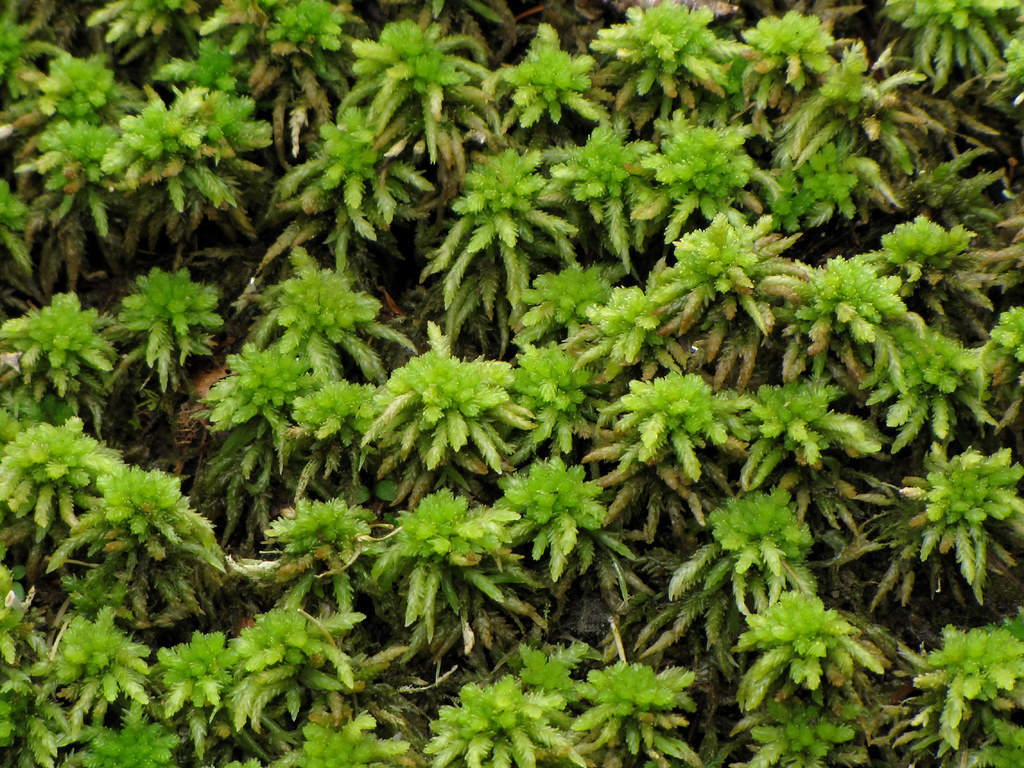
Sphagnum moss growing in a dense wet mat
Moss Species Guide

Specialist Mosses: Sphagnum, Fissidens and the Liverwort Question

Beyond the standard carpets sit a group of species that reward specific conditions: sphagnum with its extraordinary water chemistry, Fissidens fontanus at the waterline, and the liverworts Riccardia and Marchantia — one prized, one a persistent nuisance. This piece explains what each needs, why live sphagnum behaves nothing like the dried product, and how to tell a desirable liverwort from a colonising weed before it takes over a build.

Browse every tag →